
Periodontal Therapy
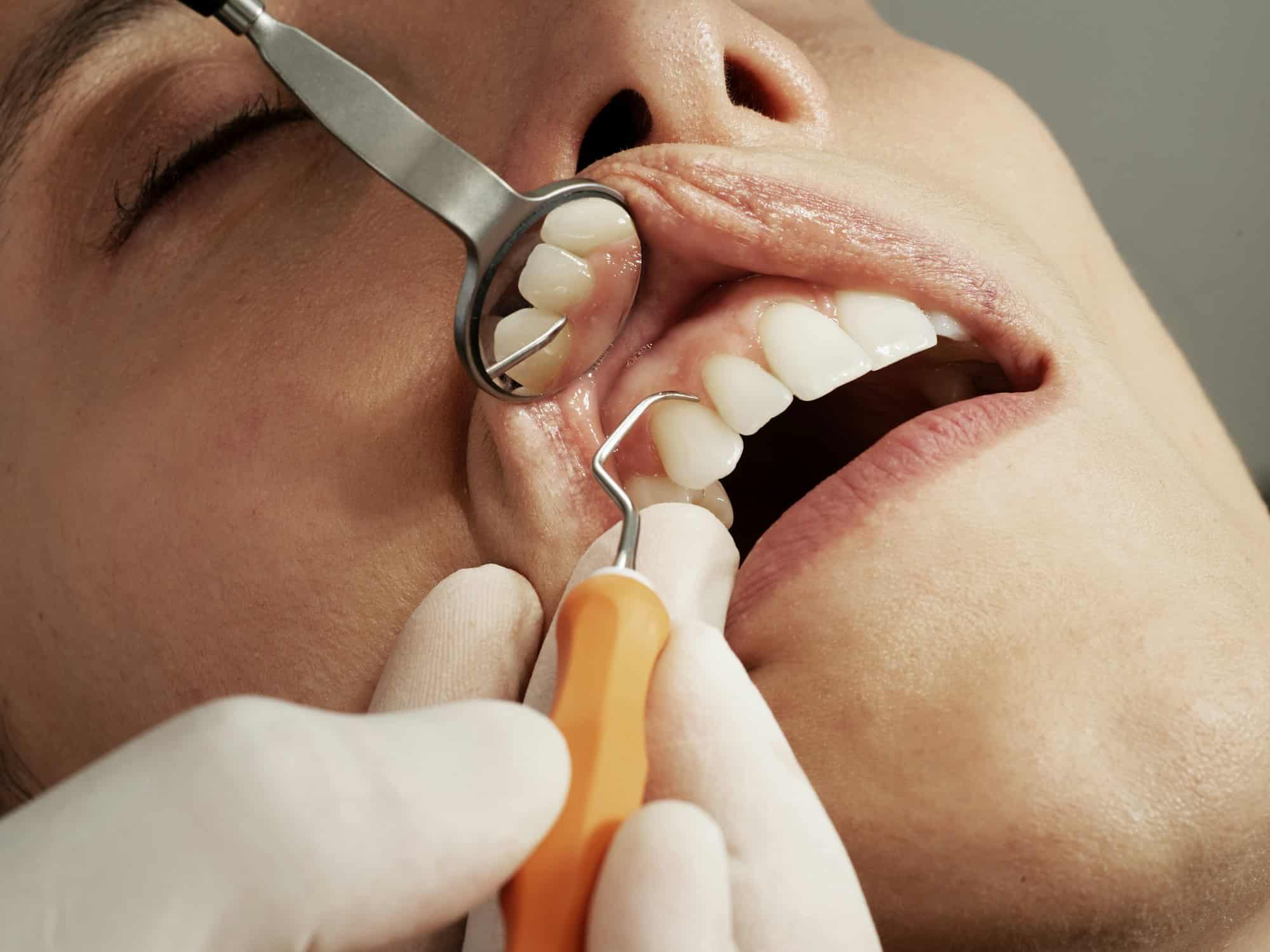
What Is Periodontal Disease?
Periodontal (gum) disease starts when bacteria build up along the gumline and the gum tissue becomes inflamed. Left untreated, that inflammation gradually breaks down the bone and connective tissue that hold your teeth in place, which is why it’s the leading cause of adult tooth loss.
Prevention
Good daily habits go a long way: brush twice a day, floss once a day, and see your dentist twice a year for a professional cleaning and checkup. Limiting sugar, avoiding tobacco, and keeping conditions like diabetes under control all lower your risk as well. If you’re prone to gum trouble despite a solid routine, ask us about additional tools like an antimicrobial rinse.
Symptoms to Watch For
Periodontal disease is often painless in its early stages, so it’s easy to miss. Watch for gums that bleed when you brush or floss, redness or swelling, persistent bad breath, gums that appear to be pulling away from the teeth, or teeth that feel loose. Any of these is a good reason to schedule a visit.
Treatment
Treatment depends on how advanced the disease is. Early cases often respond well to a deep cleaning called scaling and root planing, which removes plaque and tartar from below the gumline and smooths the tooth root so gums can reattach. More advanced cases may need additional periodontal therapy. We’ll walk you through exactly what your mouth needs and why.